

Key Takeaways
-
Convenient dining room furniture should make everyday dining smoother by being easy to clean, simple to adjust, and comfortable enough to keep people at the table for daily meals and longer gatherings alike.
-
The three biggest upgrades for everyday use are extendable dining tables that adapt to your headcount, practical dining chairs with the right proportions, and smart-storage pieces that keep essentials within reach.
-
Features like self-storing leaves, wipeable finishes, and ergonomic chair design matter more for convenience than purely decorative details-they reduce friction in the routines you repeat every single day.
-
This article walks through concrete features, room by room: table, chairs, storage, materials, layout, with examples for typical dining rooms and small spaces, so you can apply them immediately when choosing furniture for your own dining space.
Introduction: Convenience as the Starting Point for Dining Room Furniture
Most households use their dining table multiple times a day. Breakfast, homework, remote work, and dinner all happen in the same spot. When the dining setup creates friction-chairs that are hard to move, a table that's too big or too small, surfaces that stain easily- people stop using the dining area altogether. Convenience features impact family life more than style alone.
"Everyday convenience" means faster setup and cleanup, easy movement around the dining area, flexible seating for guests, and low-maintenance materials. It's about making the whole room work harder without making you work harder.
This guide covers what dining furniture features add everyday convenience across six categories: table features, chair features, storage, materials and finishes, layout, and multifunctional solutions. The advice applies whether your dining room is a separate room, an eat-in kitchen, or an open-plan dining area.
Space-Savvy Dining Tables that Adapt to Daily Life
The right dining room furniture starts with choosing furniture around real usage patterns, not around how the room looks for a single dinner party. Think about family breakfasts, weeknight dinners, weekend brunches, and occasional hosting.
The best dining tables for everyday use can shrink for routine meals and expand when guests come over. Expandable options allow for space efficiency in dining areas, and they eliminate the need for a second table you only pull out twice a year. Before you shop, measure your room and aim for clearance of at least 900mm around a dining table, which allows for comfortable movement, about 36 inches between the table edge and walls or large furniture.
Extendable Dining Tables: Easy Seating for Everyday and Guests
Extendable dining tables maximize space in compact homes by staying compact most of the time and growing quickly when needed. They can accommodate varying numbers of guests easily, which makes them one of the most practical investments for any dining space.
Typical closed everyday lengths run about 47–55 inches (seating four), while extended lengths stretch to around 63–80 inches (seating six to eight). Modern extending mechanisms are designed so one person can operate them, adding real-world convenience to everyday use.
Drop-Leaf Dining Tables for Small Spaces
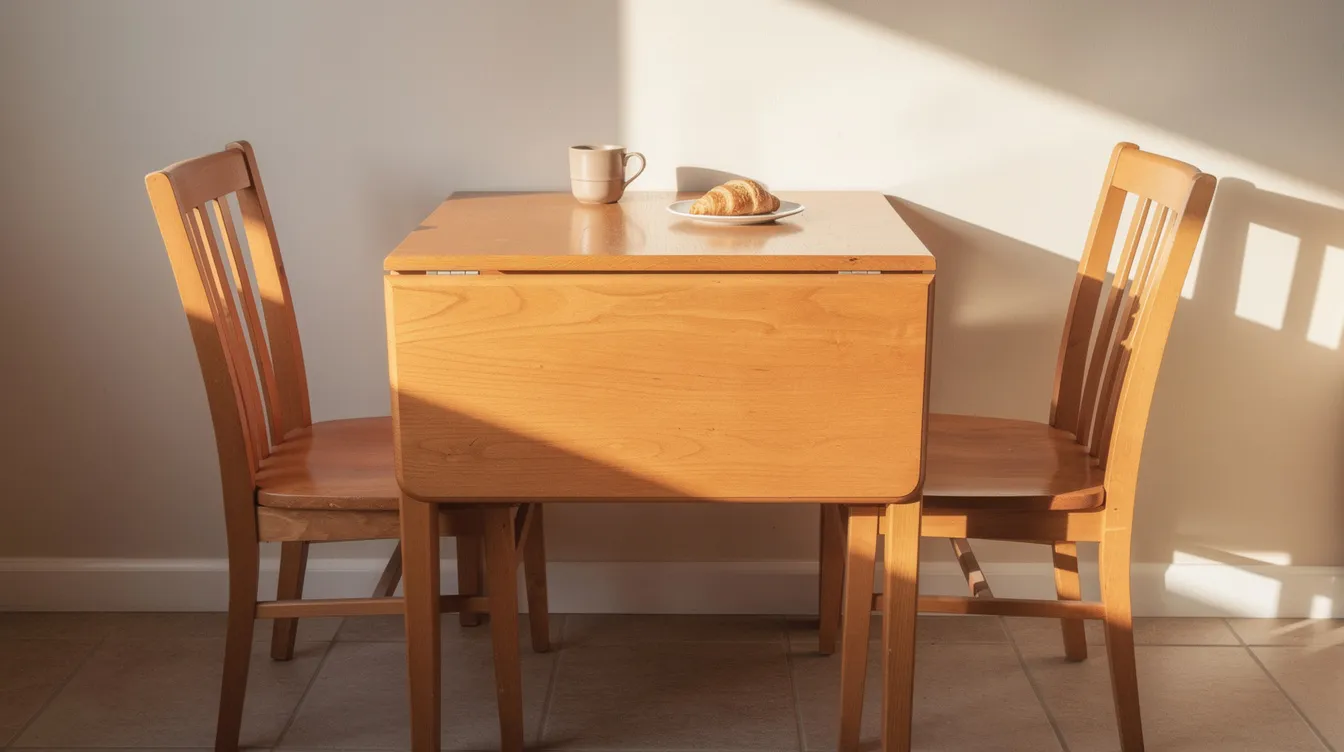
Drop-leaf tables have hinged leaves on one or both sides that fold down to create a narrow, console-like, compact footprint. When both leaves are down, the table might be only 12–15 inches deep-essentially a shelf against a wall. Drop-leaf tables are ideal for small spaces needing versatility.
They're the go-to for studio apartments, compact kitchens, or multi-use dining rooms that need clear walkways most of the day. Everyday scenarios look like this: leaves down for solo breakfasts or laptop work, one leaf up for a quick lunch, both leaves up for family dinners or board games.
Practical sizes run about 30–36 inches deep with both leaves up. Look for stable leg or gateleg designs that don't wobble when extended. Sturdy construction is essential to prevent wobbling in furniture, and a wobbly drop-leaf defeats the purpose.
Butterfly and Center-Extension Mechanisms
Butterfly leaf tables have hidden leaves for easy expansion. The leaf is folded in half and stored inside the table itself. When you pull the two halves of the tabletop apart, the leaf unfolds upward and locks into place, giving you a longer surface in seconds.
Center extension tables allow quick size adjustments for gatherings. The table splits in the middle, and you insert one or two removable leaves. This approach handles heavier materials (like thick solid wood or stone) more reliably than butterfly mechanisms, making it a better fit for larger gatherings.
The everyday convenience is clear: no need to find storage space for separate leaves, and quick transitions from everyday dining for four to a dinner party for six or eight. When shopping, look for smooth metal runners, clearly marked latches, and locking mechanisms that keep the tabletop level.
Tables with Self-Storing Leaves
Self-storing leaves, whether butterfly style or simple drop-in panels, are built to slide or rest inside the table frame itself. This saves closet and under-bed space and reduces the likelihood of misplacing parts, adding long-term convenience.
This feature works best for households that host more than four guests at least a few times a year, since it reduces setup friction. For occasional hosting, having the leaf right there inside the table means you can go from everyday dining for four to seating for eight in under a minute.
The table surface should still feel solid in everyday use, without visible gaps or height differences where the leaves meet. Run your hand across the seam-if it catches, it will catch crumbs too.
Dining Table Shapes that Support Everyday Routines
The shape of dining tables affects conversation, circulation, and how easy it is to pass serving dishes during everyday meals. Selecting shape is a convenience decision as much as a style one, especially in small dining rooms or open-plan homes.
Here's the general rule: round and oval tables suit compact or square rooms, while rectangular tables and oval tables work better in narrow or long spaces.
Round and Oval Dining Tables for Easy Flow
A round dining table eliminates sharp corners, improving safety for children and making it easier to move around tight dining spaces. Round tables boost conversation by 25–30% compared to rectangular ones, because everyone faces the center and can maintain eye contact without craning.
Smaller round tables-a 30–36-inch round table suits couples or small families-support inclusive conversation and simple reach for shared dishes. For small households of two to four, this size handles everyday meals without dominating the room.
Oval tables combine the intimacy of round shapes with the capacity of a rectangular design. They fit better in narrow or rectangular dining rooms while still offering rounded edges and that conversational flow. Pedestal bases work especially well under round and oval tables, freeing up legroom and allowing flexible seating and chair placement for everyday dining.
Rectangular and Square Dining Tables for Structured Use
Rectangular tables naturally create zones-a clear center for serving pieces and open edges for place settings, homework, or laptops. This structured layout suits households that use the dining room table for multiple activities throughout the day.
Families of four need 60–72-inch rectangular tables for comfortable elbow room during daily meals. When fully extended, rectangular tables can seat eight or more comfortably at 84–96 inches, making them the most versatile option for households that swing between small families and larger gatherings.
Square tables suit compact dining rooms and small households that want a social, face-to-face layout. A 40–48 inch square table works well in square rooms, giving balanced proportions without wasted surface area. Rectangular tables often offer the widest range of extension options, which is useful when planning for special occasions and a dinner party.
Chair Features that Make Everyday Dining Comfortable
Dining chairs directly influence how long people stay at the table and whether the room is used daily or avoided. Uncomfortable chairs shorten meal duration significantly-people eat faster and leave sooner when they're not comfortable. Poor ergonomics can even increase overconsumption by up to 20%, because rushed, uncomfortable eating disrupts natural fullness signals.
Ergonomic chair design includes proper contouring and cushioning for comfort. The main elements to get right are seat height, cushioning, arms, back support, and chair materials. Proper size and proportions of furniture improve usability in dining areas across the board.
Right Seat Height and Proportions
Chairs with a seat height of 18–20 inches suit standard tables that are 28–30 inches tall. This pairing leaves about 10–12 inches of clearance between the top of the seat and the underside of the dining table, which provides adequate legroom and enhances comfort during meals and activities.
Proper clearance between chair seats and tabletops ensures comfort. Test by sliding chairs fully under the table to confirm knees and thighs don't hit the apron or underside. Ergonomic chairs support a 90–110 degree knee angle, which prevents fatigue during longer sittings.
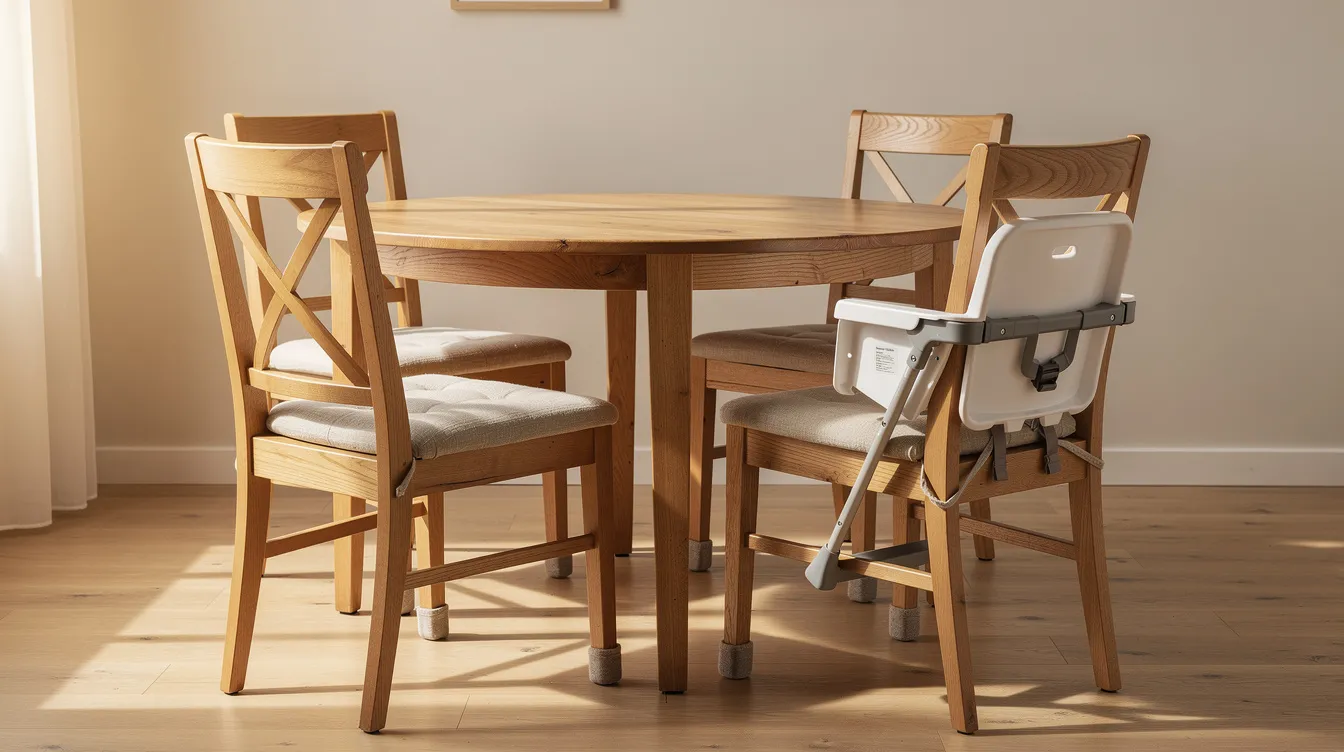
Mixed households-adults, teens, and children-may benefit from slightly varied chair designs or booster cushions to keep everyone at a comfortable seating height relative to the table.
Upholstered vs. Hard-Seat Dining Chairs
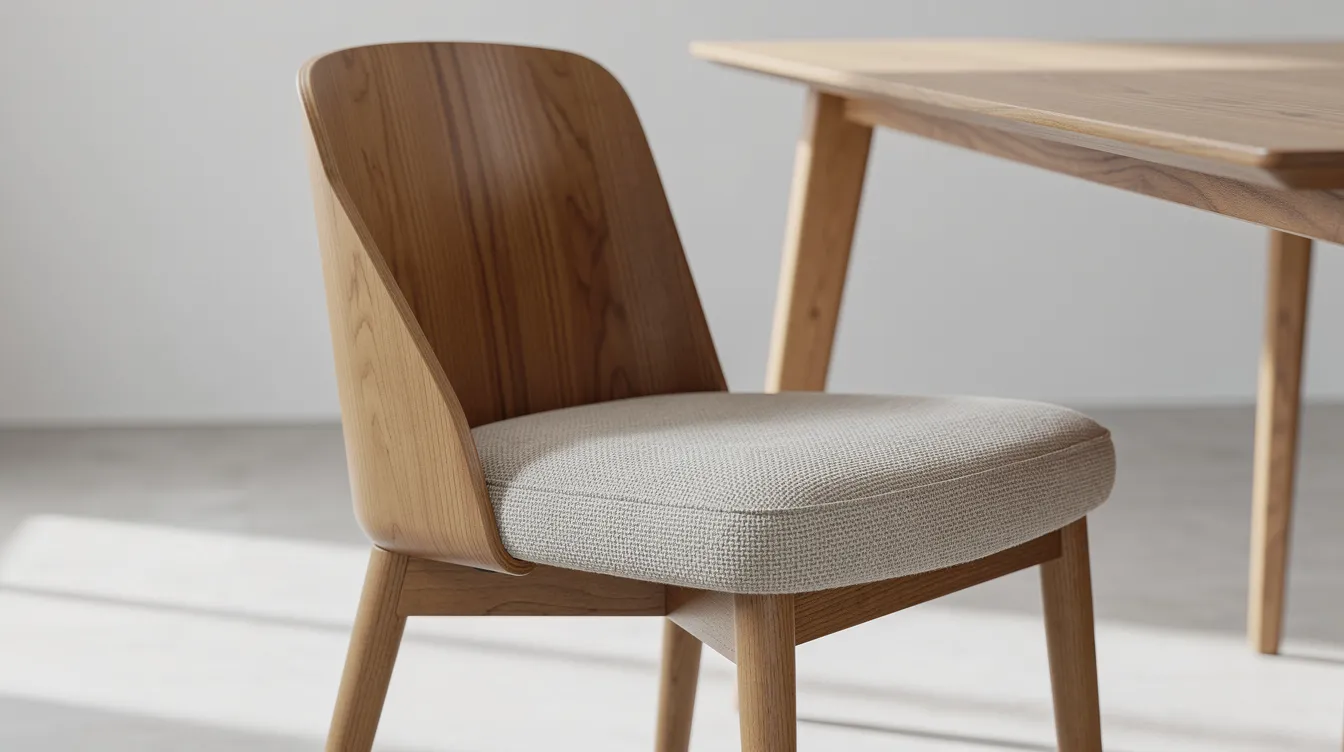
Upholstered chairs encourage longer sit-down meals. The cushioning invites people to settle in, which suits everyday dining where you want the family to linger, talk, and actually enjoy the dining experience. Warm wood tones can extend social meals by 10–25%, and combining those tones with comfortable seating amplifies the effect.
Hard surfaces like wood, metal, or plastic can speed up meal duration by creating noise-scraping, clinking, and harder contact sounds that subtly push people to finish sooner. That said, hard-seat dining chairs are easier to wipe down and suit homes where chairs double as extra work chairs during the day.
For convenience-oriented fabrics, look for performance textiles rated at 30,000+ double rubs for durability. Performance fabrics for upholstered chairs should be water-resistant and stain-repellent. Removable washable covers add another layer of practicality for everyday use.
A smart compromise: mix upholstered end chairs with simpler side chairs to balance comfort and low-maintenance cleaning.
Armrests, Back Support, and Seat Depth
Chairs with arms promote slower, more anchored eating. Armrests also make getting in and out of chairs easier for older adults and anyone with mobility concerns, adding a real comfort advantage to everyday use.
Mid-height backs with gentle lumbar support work best for households that linger at the table or use it for work, puzzles, and homework. A seat depth of about 16–18 inches accommodates most adults, letting people sit back comfortably without pressure behind the knees.
Check that armrests can slide under the dining table without bumping-if they can't, the chairs will stick out permanently and eat into your walkway space. Lightweight chairs are easier to maneuver without scratching floors, which matters in a room where chairs get moved multiple times daily.
Convenient Storage Furniture for the Dining Room
Sideboards, buffets, storage benches, and cabinets reduce clutter and speed up meal setup. Having plates, cutlery, napkins, and serving dishes stored within a few steps of the dining table makes everyday dining more efficient. Built-in storage helps to reduce clutter in dining areas and keeps the dining area feeling open and ready to use.
Storage furniture can double as serving surfaces during dinner parties, functioning as dessert or drinks stations. Understated elegance meets practicality.
Sideboards and Buffets with Smart Compartments
Effective layout ideas include drawers for cutlery and napkins, shelves for plates and glasses, and closed cabinets for large platters and seasonal items. This keeps serving pieces accessible without visual clutter.
Aim for furniture heights that align roughly with the dining table or window sills, around 30–36 inches, for a cohesive look and convenient reach. Soft-close hinges and full-extension drawer runners are convenience features that prevent slamming and make deep drawers usable, especially in homes with young children.
Use the top surface for lamps, plants, or trays that can be quickly cleared when extra serving space is needed.
Storage Benches and Built-In Seating
Dining benches with lift-up seats or drawers underneath can hold table linens, kids' art supplies, or board games used at the dining table. They push completely under the table when not in use, freeing up floor space in small dining areas-a genuine space-saving solution.
Built-in banquette seating along a wall adds hidden storage and extra seats in narrow dining rooms. Use cushions with removable covers on benches to combine comfortable seating with easy washing.
Materials and Finishes that Simplify Cleaning
Low-maintenance materials make everyday spills, crafts, and homework far less stressful. Stain-resistant table surfaces are easier to maintain after spills, and durable finishes are essential for homes with young children. This section compares common surfaces for dining tables and dining chairs: wood, veneer, stone, glass, metal, and easy-clean synthetics.
Match surfaces to your lifestyle: young children, pets, frequent cooking from scratch, or regular entertaining each calls for different trade-offs.
Durable Wood and Veneer Dining Tables
Real wood-oak, maple, walnut, acacia-often ages gracefully, with small marks adding vintage charm rather than ruining the finish. The wood grain and visual warmth of solid wood create an inviting dining area that feels like it encourages people to gather. Durable materials include solid wood, veneer, and metal.
Protective finishes matter. Matte or satin topcoats and lacquer resist stains while still showing the grain. Sealed wood surfaces handle spills better than unsealed finishes, so always confirm that any real wood table has a proper topcoat. High-quality surfaces like ceramic and treated wood are ideal for durability over the years of daily meals.
Wood veneers over stable cores offer a budget-friendly alternative, though they can be more vulnerable to deep scratches and standing moisture. Use coasters, trivets, and a simple runner or table runner for everyday protection, especially if you eat hot meals at the table several times daily.
Stone, Glass, and Easy-Wipe Surfaces
Polished stone or marble dining tables are visually striking but require proper sealing and regular care to resist etching and staining. Engineered stone or faux-stone tops offer similar looks with easier maintenance, and no sealing schedule to remember.
Easy-to-clean surfaces include glass and sealed finishes. Glass-top dining tables wipe clean quickly but can show fingerprints and may feel less forgiving for noisy tableware. Scratch-resistant coatings are recommended for everyday use on any hard surface.
Melamine, laminate, and white MDF with durable coatings are practical everyday choices in busy families and rental homes. Medium-tone finishes hide crumbs and smudges better than very dark or very light surfaces, easing daily cleaning considerably.
Everyday-Friendly Layout and Flow in the Dining Room
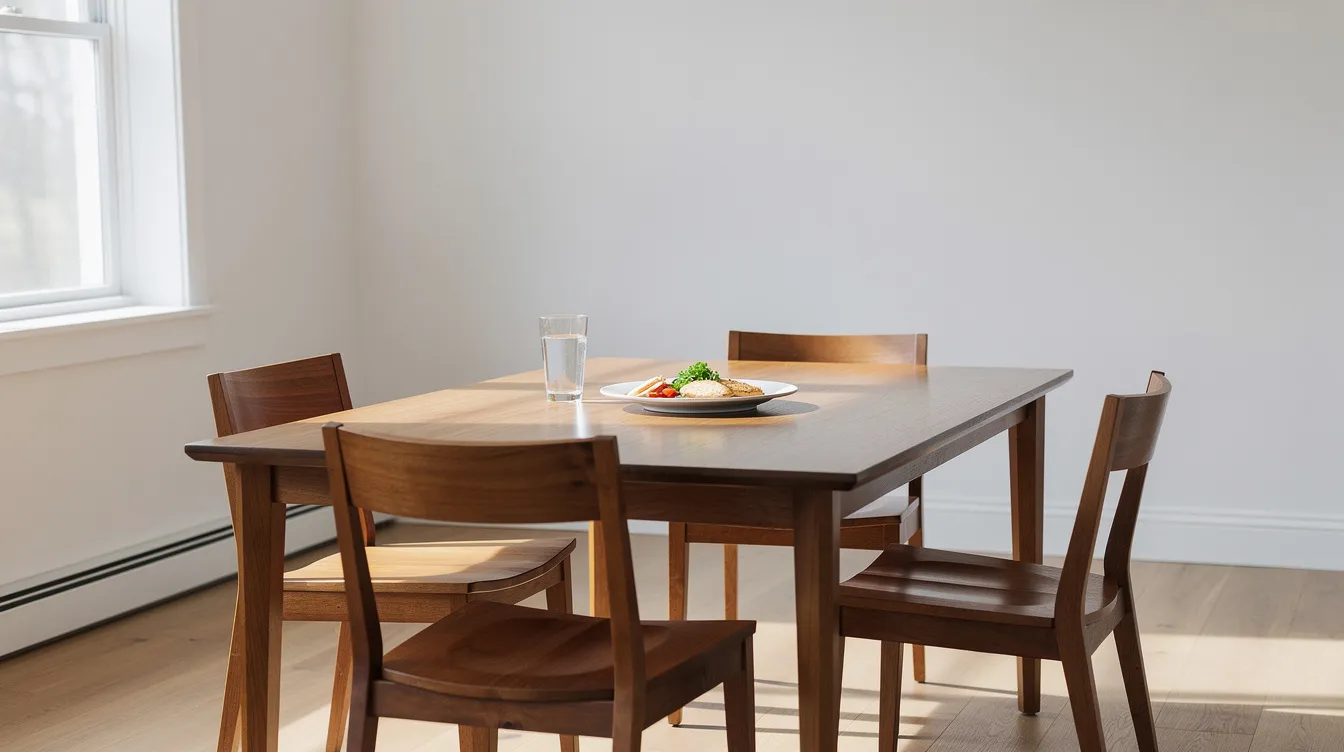
How furniture is placed affects how often the dining room is used for meals and socializing. Clear walkways reduce friction and encourage dining room use-if people have to squeeze past chairs, they'll eat on the couch instead.
Leave 90 cm (about 36 inches) clearance around the table as a minimum. For more comfortable circulation, aim for 42–44 inches between the table edge and walls or large furniture pieces when chairs are occupied.
Positioning the Dining Table for Daily Use
Position tables near kitchens to encourage everyday meals. Quick meal service depends on a short, clear path between the stove and the table. Ideally, place the table in line with natural light sources like windows or glass doors. Natural light makes the whole room more inviting for morning and evening meals.
Centering the dining table under the main light fixture creates a clear visual zone in open-plan layouts, making the dining area feel intentional rather than like an afterthought. Avoid placing the long side of the dining room table too close to a wall, which makes sliding into seats inconvenient for everyday use.
Before buying, tape out the table footprint on the floor, including chair space. This simple step reveals whether you have ample space or need to downsize your table.
Lighting and Acoustics for Comfortable Meals
Adjustable, dimmable lighting over the dining table supports both everyday dining and focused tasks like homework or crafts. Pendant lights or linear fixtures should be sized in proportion to the table length, roughly half to two-thirds the table length for a linear fixture.
Adding a rug, fabric curtains, and soft furnishings reduces noise, making conversations more relaxed during family meals. Keep lamp shades at a height that doesn't block sight lines across the table, so people can maintain easy eye contact and conversation.
Multifunctional Dining Furniture for Work and Play
Many dining tables now double as work-from-home desks, homework stations, and craft tables. Multi-functional tables can serve as workstations or social hubs, and multi-purpose functionality increases the usefulness of dining areas well beyond meals. Modern living demands furniture that can shift roles without effort.
Dining Tables that Double as Desks
For a table that handles both laptops and place settings, aim for depths of about 36–40 inches. This allows notebooks, a laptop, and a small centerpiece without feeling cramped, with enough surface area for dual use.
A stable base and solid construction are non-negotiable, so typing or writing does not wobble the table during daily use. Check leg placement and under-table beams to ensure comfortable legroom when seated for longer work sessions.
Finishes resistant to pen marks, hot mugs, and occasional spills are critical when the table serves multiple roles. This is where treated wood and laminate surfaces earn their keep in modern lines and functionality.
Setting Boundaries Between Mealtime and Work
Simple routines prevent the dining table from becoming a permanent desk. Store work items in a nearby cabinet or basket before each meal, and keep a dedicated tray for devices and chargers.
Visual cues help create the mental shift: lay out placemats or a table runner only when it's time to eat. Changing lighting levels-switching from a task lamp to overhead pendants-can mark the transition from work to dining.
Choose chairs that are comfortable for 45–60 minutes of sitting, but not so lounge-like that people work at the table all day without breaks. Wipeable surfaces encourage more frequent family meals because cleanup after the work-to-dinner transition takes seconds, not minutes.
Kid-, Pet-, and Guest-Friendly Convenience Features
Furniture that can withstand sticky fingers, pet hair, and frequent visitors without constant worry is the foundation of a child-friendly and pet-friendly home. Certain small design details-rounded corners, stable bases, and easy-care fabrics-have an outsized effect on everyday convenience, especially in open-plan homes where the dining area is part of the main living space.
Safety Details: Rounded Corners and Stable Bases
Tables with rounded corners or softened edges reduce bumps and bruises in homes with children or tight circulation paths. Rounded edges on a dining table or sideboard can prevent a trip to the first-aid kit during a typical Tuesday evening.
Pedestal or trestle bases are less likely to trip people than widely splayed legs, especially in narrow dining spaces. Check that dining chairs and benches feel stable and don't tip easily when children climb or fidget.
Add felt pads under legs to protect floors and make chairs easier to slide, reducing noise and strain in everyday use.
Easy-Care Fabrics and Finishes for Real Life
Performance upholstery on dining chairs-fabrics treated to resist stains from sauces, juice, and wine-removes a major source of dining-area stress. Machine-washable seat covers, or slipcovers, are another layer of defense for families with young children or pets.
Medium-tone woods, textured weaves, and patterned chair fabrics disguise everyday wear better than flat, solid light colors. Chair pads with removable, washable covers can be a budget-friendly way to add comfort and protect seats without replacing the chairs entirely.
Checklist: Everyday Convenience Features to Look For When Choosing Furniture
Use this as a quick reference when shopping. Screenshot it or print it out.
Table Features:
-
[ ] Appropriate table size for your dining room (measure first)
-
[ ] Extension mechanism (butterfly, center-extension, or drop-leaf)
-
[ ] Self-storing leaves so you never lose parts
-
[ ] Rounded corners or softened edges for safety
-
[ ] Stable base (pedestal or trestle for tight spaces)
-
[ ] Easy-clean finish (sealed wood, laminate, engineered stone, or glass)
Chair Features:
-
[ ] Correct seat height (18–20 inches for standard tables)
-
[ ] Comfortable back support with gentle lumbar curve
-
[ ] Wipeable or stain-resistant fabric
-
[ ] Adequate seat depth (16–18 inches)
-
[ ] Armrests that clear under the table when pushed in
Storage Features:
-
[ ] Sideboard or buffet within a few steps of the table
-
[ ] Storage bench or cabinet for everyday items (linens, supplies)
-
[ ] Closed storage to hide visual clutter
Layout Checks:
-
[ ] At least 36 inches (90 cm) clearance around the table
-
[ ] Table centered under main lighting
-
[ ] Direct, clear path from kitchen to dining area
-
[ ] Room for chairs to pull back without hitting walls
FAQ: Practical Questions About Convenient Dining Furniture
These questions cover everyday concerns that go beyond the main sections, with concise, practical answers.
How big should my dining table be for everyday use?
Most households need about 24 inches of table width per person for comfortable everyday dining, plus 36 inches of clearance around the table for chairs and walking. A 60-inch rectangular dining table typically seats four comfortably for everyday meals and can squeeze six for occasional gatherings. For guests beyond six, an extendable dining table that reaches 80+ inches when fully extended is the most practical solution for homes that alternate between daily meals and special occasions.
Is it better to buy a dining set or mix and match dining chairs and tables?
Sets are convenient for quick, coordinated buying and often come at a slight discount. But mixing allows better ergonomic and style fit; you can pick the most comfortable chairs independently of the table. Prioritize comfortable dining chairs and a table that fits the room first, then decide whether a pre-made set meets those needs. A mid-century side chair paired with a modern table can create more visual interest than a matched set, as long as the seat height and style work together.
What dining table finish is most forgiving for families with kids?
Matte or satin-finished wood with a protective topcoat, durable laminates, or melamine surfaces hide fingerprints and minor scratches better than glossy finishes or unsealed stone. Avoid very dark or very light surfaces-they show every crumb and smudge. Use placemats and washable tablecloths for art projects and messy meals to extend the table's life without sacrificing the look.
How can I make a small dining room feel more convenient and less cramped?
Use a round or oval table to eliminate corners and improve flow. Benches that tuck fully under the table, wall-hugging sideboards, and drop-leaf designs that shrink when not in use all help. Keep only necessary dining room furniture in the room, use mirrors and light-colored finishes to open up the space visually, and avoid oversized chair backs that crowd the room. A smaller table with an extension mechanism gives you both the compact footprint for everyday use and ample space for guests.
Do I really need a sideboard or buffet in a small home?
While not mandatory, even a narrow console or storage bench can dramatically reduce clutter and make setting the table quicker. For very tight spaces, consider multi-use pieces like a storage bench along one wall or a slim cabinet that doubles as an entry or living room surface. The goal is having everyday essentials-napkins, placemats, candles, serving pieces-within arm's reach so that daily meals feel effortless and you can create a welcoming dining experience without a treasure hunt through kitchen drawers.
Discover Dining Room Furniture at M&M Discount Furniture & Mattresses
Bring family and friends together with Dining Room Furniture at M&M Discount Furniture & Mattresses, where quality, style, and value come together. From elegant dining tables and comfortable chairs to complete dining sets and functional storage pieces, our collection offers everything you need to create a welcoming dining space.
Visit M&M Discount Furniture & Mattresses today to explore our Dining Room Furniture selection and find pieces that match your style, space, and budget. Our friendly team is here to help you choose durable, attractive furnishings that make every meal and gathering more enjoyable for years to come.